Cottage food laws · Washington, D.C.
Selling homemade food in Washington, D.C.
The District takes more setup than most places — but it’s all doable from your own kitchen. There’s a real registration with DC Health (with a fee), a food-safety certificate to earn, and a home permit to pull first. The trade-off: once you’re through the sequence, you can bake and sell shelf-stable goods from home, online, and at markets across the District — with no cap on how much you earn. Here’s the whole sequence, in plain English.
Verified against D.C. Official Code § 7-742.01, D.C. Official Code § 7-742.02 and the DC Health Cottage Food Regulations (25-K DCMR)
Last checked June 13, 2026 — every section links its sources.
A plain-English breakdown, not legal advice — we’re not lawyers. Always confirm the details with your own city and state before you sell.
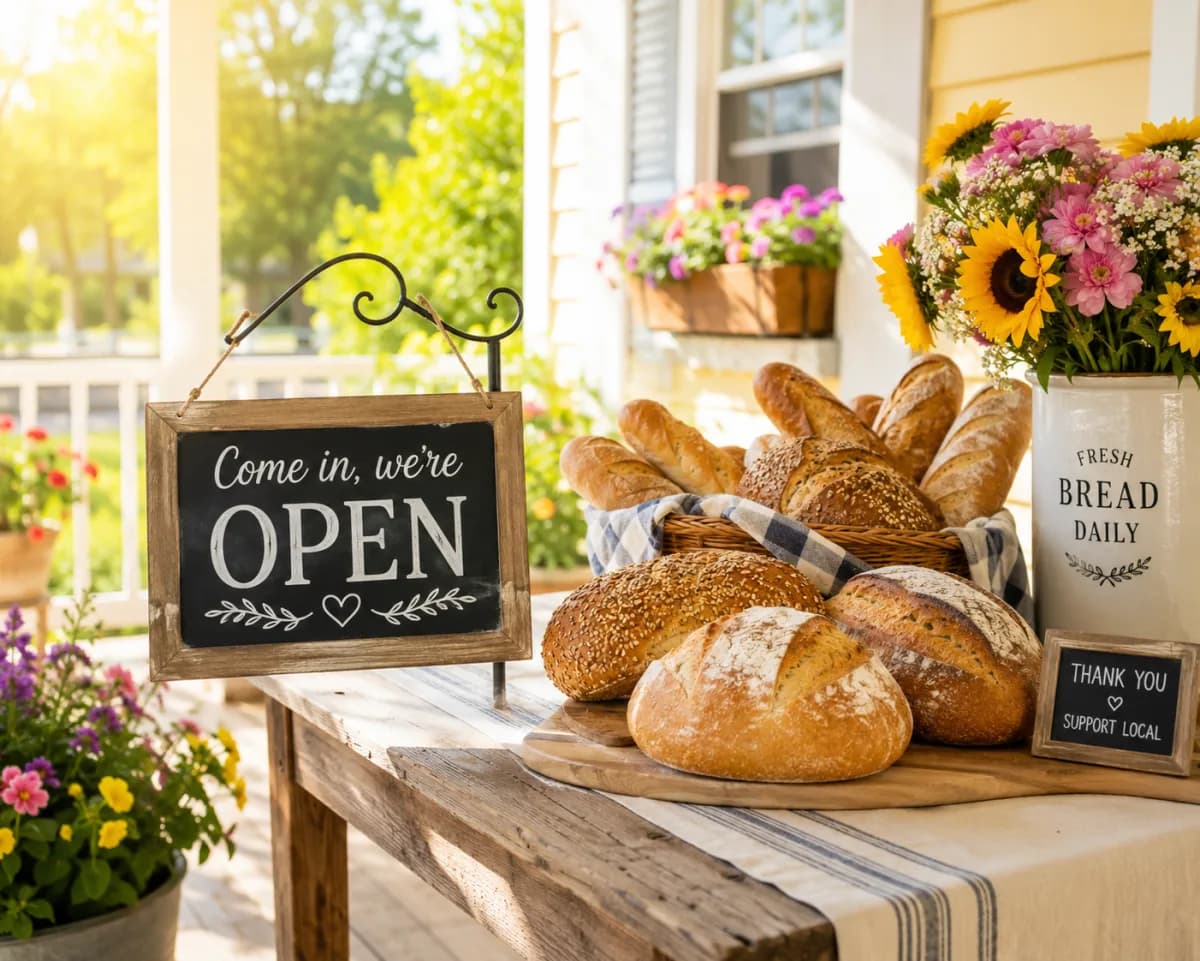
The 2-minute version
- Sales cap
- None
- State registration
- Required
- Food-handler card
- Required
- Sell at markets
- Yes
- Shipping
- Not allowed
Three cards, the whole story. Everything below is detail — with the actual code sections and DC Health sources linked, so you never have to take our word for it.
A real sequence — about $85 in DC Health fees
The District isn’t a “print the label and go” place. You walk a sequence: a Home Occupancy Permit, a food-protection-manager certificate ($35, good 3 years), then a cottage food registration with DC Health ($50, good 2 years). That’s ~$85 in DC Health fees — the home permit fee isn’t published, and the certificate course is priced privately.
No cap — and now wholesale too
The old $25,000/year cap was repealed in 2020 — there’s no ceiling now. And as of June 10, 2025 the Council added wholesale to licensed food establishments to the allowed channels. The hard boundary: inside the District only — no selling or shipping outside D.C.
Shelf-stable only
Cottage food is shelf-stable — nothing that needs refrigeration to stay safe (the cheesecake test fails). One D.C. quirk worth knowing now: your label carries your DC Health ID number, not your name or home address.
How selling from home works — one path, walked as a sequence
In shortThe District doesn’t have a "food freedom" law that lets you start the moment your label’s printed. It has one main home-kitchen path — the cottage food business registration — and you walk it as a sequence of steps, each with its own office. None of them is a commercial kitchen, and there’s no license; the registration stands in for one.
The District doesn’t have a “food freedom” law that lets you start the moment your label’s printed. Instead it has one main home-kitchen path — the cottage food business registration — and you walk through it as a sequence of steps, each with its own office. None of them is a commercial kitchen, and there’s no food license; the registration stands in for one.
Register your cottage food business
- Pull a Home Occupancy Permit for your residence — the zoning sign-off that you can run a business from home (Department of Buildings)
- Earn a food-protection-manager certificate — pass a nationally accredited CFPM course, then get the District-issued certificate from DC Health ($35, good 3 years)
- Register your cottage food business with DC Health — product list, sample labels, and the $50 fee (good 2 years)
- DC Health reviews, maybe inspects, and issues your certificate and ID number — then you can sell
Pick this path if: you’re making shelf-stable foods at home and selling them across the District.
A licensed kitchen — or the cart-vending path
Foods that need refrigeration, hot ready-to-eat meals, or catering sit past the cottage line — that’s a licensed food establishment (a commercial or shared kitchen). The District also runs a separate Microenterprise Home Kitchen (MEHK) permit that lets you cook hot food at home — but you may only sell it from an approved vending cart, not by porch pickup or delivery, so it isn’t a porch-shop path. We cover the cottage path here; ask DC Health about MEHK if cart vending is your goal.
Pick this path if: you want refrigerated foods, hot ready-to-eat meals, or a catering operation.
Sources: D.C. Official Code § 7-742.01 · § 7-742.02 (registration, inspection, labels) · § 7-742.11 (Microenterprise Home Kitchen) · DC Health — Cottage Food Businesses
Where you can sell
In shortInside the District, several ways: direct to the buyer from home, at farmers markets and public events, online, retail — and, as of June 2025, wholesale to licensed food establishments. The hard boundary is geographic: District only, no out-of-District sale or shipping. Make and store it at your primary residence.
Inside the District — several ways. You can sell direct to the person buying, from your home, in person; at farmers markets and public events; by online order (you can take orders and payment online); and the current statute lists retail sales.
Wholesale to licensed food establishments — allowed as of June 10, 2025. The Council amended the law that day to add selling your goods to a restaurant or grocer that resells them. Heads-up: DC Health’s older FAQ and checklist still say “no wholesale” — those PDFs predate the 2025 change. The statute is current, and it wins; we flag the stale guidance below so nobody gets turned around by it.
The hard boundary — District only. You may not sell or ship any cottage food item outside the District of Columbia. There’s no interstate shipping under this law, period — if a customer is in Maryland or Virginia, this path doesn’t reach them.
Make and store it at your primary residence. Cottage food must be prepared, packaged, and stored in the home kitchen of your primary residence in D.C. — not a shed, garage, rented kitchen, second home, or vacation home. DC Health also asks you to keep your cottage food production separate from the food your household eats.
Sources: D.C. Official Code § 7-742.01 · D.C. Law 26-7 § 3(b) (wholesale, eff. June 10, 2025) · DC Health — Cottage Food Checklist & FAQ
What you can sell
In shortThe rule behind the list: cottage food is food that is not potentially hazardous — nothing that needs temperature control to stay safe. Baked goods (no cream/custard/cheese/meat fillings), candies, jams, honey, dry mixes, roasted coffee — yes. Anything needing refrigeration (the cheesecake test), meat, dairy, pumpkin/fruit butters, canned or pickled goods, pressed juices — no.
DC Health’s approved list
The rule behind the list: cottage food is food that is not potentially hazardous — nothing that needs temperature control (refrigeration) to stay safe. Baked goods qualify only without cream, custard, cheese, or meat fillings.
- Breads, rolls, scones & sweet breads
- Cakes (incl. celebration & wedding)
- Cookies, pies, brownies & pastries
- Candies, brittles, fudge & truffles
- Jams, jellies, syrups & preserves
- Honey & honeycomb
- Roasted coffee (bean or ground)
- Cereals, trail mixes & granola
- Dried pasta & dry baking mixes
- Dry herb, seasoning & tea blends
- Vinegars (incl. flavored)
- Popcorn, nuts, dried fruits & crackers
A couple of specifics sellers ask about: ✓ fruit pies, empanadas, and tamales · unfilled baked donuts, waffle cones, and pizzelles · chocolate-covered nonperishable foods. Honey is allowed, but beekeepers must also register with the Department of Energy and Environment under D.C.’s urban-beekeeping rules.
Not cottage food
- Anything needing refrigeration
- Cream, custard & meringue pies/cakes
- Meat, poultry, fish & jerky
- Milk, dairy & cheeses
- Pumpkin & fruit butters
- Canned or pickled products
- Garlic / vegetables in oil
- BBQ sauces, ketchups & mustards
- Cut fresh fruit & vegetables
- Pressed juices & beverages
- Pet treats
- Beer & alcohol
Cheesecake test: FAIL — it needs refrigeration, as do cream-cheese icings and fillings. DC Health rules out pumpkin and fruit butters (the sugar/pectin ratio isn’t high enough to be safe shelf-stable) and sugar-free jams/jellies. Banned processes (no matter the food): canning, hermetic sealing in jars, acidified/low-acid canning, reduced-oxygen packaging, smoking/curing, pressing juices, pasteurizing. Off-list foods can be approved case by case if you submit pH and water-activity lab results to DC Health before you make them.
Sources: DC Health Cottage Food Regulations (25-K DCMR) · DC Health — Cottage Food Businesses · DC Health — Cottage Food FAQ
The rules that actually matter
In shortNo sales cap (the $25k ceiling was repealed in 2020). District-only — no out-of-District sale or shipping. Your primary residence’s kitchen only. Only the foods on your approved registry application. And no routine inspection schedule — but DC Health may run a pre-opening inspection and can inspect afterward on a complaint.
- No sales capThe original $25,000/year gross-revenue ceiling was repealed effective March 10, 2020 — the statute now reads “Repealed” where the cap used to be. (If you see “$25,000” in DC Health’s posted regulations, that’s the stale 2017 text — not current law.)
- District only — no out-of-District salesYou may not sell or ship any cottage food item outside the District of Columbia. There’s no interstate shipping under this path.
- Your primary residence’s kitchen onlyPrepare, package, and store cottage food in the home kitchen of your primary residence — no sheds, garages, rented kitchens, second homes, or vacation homes — and keep it separate from your household’s own food.
- Only the foods you registeredDC Health authorizes the specific products you listed on your registry application — selling something you didn’t register isn’t allowed. Add a product? Update your registration.
- No routine inspections — but a discretionary oneThere’s no scheduled inspection. DC Health may run a pre-opening inspection if it decides your application warrants one, and can inspect afterward on a complaint, an illness investigation, or a suspected violation — and you must grant entry.
Sources: D.C. Official Code § 7-742.01 (cap repealed) · § 7-742.02 (registration & inspection) · DC Health — Cottage Food Checklist & FAQ
Getting set up
In shortA four-step sequence with the real offices and fees — plus DC Health’s own review step. One agency wrinkle: D.C. split the old DCRA in 2022, so some forms still say "DCRA" while the home-permit work has moved to the Department of Buildings.
Here’s the four-step sequence with the real offices and fees (a couple of the steps below are DC Health’s own action — its review/inspection — and a weights-and-measures sub-step, not extra errands of your own). One agency wrinkle: D.C. split the old Department of Consumer and Regulatory Affairs (DCRA) in 2022, so some official forms still name “DCRA” while the home-permit work has moved to the Department of Buildings (DOB) — if a document says DCRA, that function is now DOB or DLCP.
- Pull a Home Occupancy PermitThe zoning sign-off that lets you run a business from your residence — issued by the Department of Buildings (older cottage-food forms still say “DCRA Office of Zoning”). You must live in D.C. and it must be your primary residence; apply online through the District’s CitizenAccess portal. DOB’s permit page doesn’t publish a fee — confirm the cost when you apply (see “Common questions”).
- Earn a food-protection-manager certificatePass a nationally accredited Certified Food Protection Manager (CFPM) course approved by DC Health, then bring your certification to DC Health for a District-issued CFPM certificate — a $35 processing fee, valid 3 years from your exam date. DC Health doesn’t run the course itself (it’s privately priced); ask them for the list of approved providers.
- (If you sell by weight) get your scales approvedHave your scales calibrated and approved by the District’s Office of Weights and Measures, and keep the documentation.
- Register with DC HealthSubmit the Cottage Food Business Registry Application with a list of the products you want to make, your sample labels (see Labels), and the $50 registration fee for one certificate (extra certificate copies are $5 each).
- DC Health reviews and (maybe) inspectsIf your application checks out, DC Health may run a pre-operational inspection of your kitchen before issuing the certificate. This is DC Health’s step, not an errand of yours.
- Get your certificate and ID numberYour Cottage Food Business Registration Certificate is valid 2 years; your registry ID number goes on every label. Display the certificate where you sell.
No food license is required — the registration is the credential, not a license. (Whether D.C.’s business-licensing office, DLCP, separately expects a general business license for a home business isn’t settled by any cottage-food document we reviewed — if you want certainty there, check with DLCP.)
Sources: D.C. Official Code § 7-742.01 · § 7-742.02 (registration & fees) · DOB — Get a Home Occupation Permit · DC Health — Cottage Food Checklist & FAQ
Labels
In shortEvery product is prepackaged with a label carrying your DC Health ID number (NOT your name or address), the product name, ingredients (descending by weight), net weight/volume, allergen info, and one exact sentence — word for word, in at least 10-point type, in a contrasting color.
D.C. cottage food label
- Your Cottage Food Business identification number — DC Health issues it when you register, and this is what identifies your operation on the label. The law does NOT require your name or home address on the label — don’t put a business name or address on it; the ID number is the identifier
- The name of the product
- The ingredients, in descending order by weight — including sub-ingredients (e.g. “butter (milk, salt)”)
- The net weight or net volume
- Allergen information per federal labeling rules (21 CFR part 101) — name the specific tree nut (“almonds,” not “nuts”)
- Nutritional information — only if you make a nutritional claim; then federal rules apply
- This exact sentence, word for word, in at least 10-point type, in a color that clearly contrasts with the label background: “Made by a cottage food business that is not subject to the District of Columbia’s food safety regulations.”
No name, no address — the ID number stands in. This is unusual: most regimes want the operation’s name and a physical address on the label. The District’s cottage food label identifies you solely by the DC-Health-issued identification number. Don’t add a business name or home address — the ID number is the legal identifier.
A casing note on the disclaimer. We print the statute’s form — lowercase “food safety regulations,” with a period. DC Health’s printed checklist title-cases it (“Food Safety Regulations”) and drops the period; the statute and the FAQ use the lowercase form. Either tracks the law’s intent, but we follow the statute.
Sources: D.C. Official Code § 7-742.02 (label elements + disclaimer) · DC Health Cottage Food Regulations (25-K DCMR 104) · DC Health — Cottage Food Checklist & FAQ
What changed recently
In shortJune 2025 opened wholesale to licensed food establishments (DC Health’s PDFs haven’t caught up). 2020 repealed the $25k cap and opened direct, retail, and online sales beyond farmers markets. And the only posted regulation text — 2017 — predates both expansions, so where the regs and the current statute disagree, the statute wins.
- June 10, 2025 — wholesale opened upThe Council amended the cottage food definition (D.C. Law 26-7 § 3(b)) to add wholesale to licensed food establishments to the allowed sales channels. This is new — DC Health’s guidance PDFs still say “no wholesale,” but the statute is current. Selling to restaurants or grocers that resell your goods, within the District, is now on the table.
- 2020 — the cap and venues expandedThe Cottage Food Expansion Amendment Act of 2019 (effective March 10, 2020) repealed the $25,000 revenue cap and opened the law beyond farmers markets to direct, retail, and online sales.
- The 2017 regulations haven’t caught upDC Health’s official Cottage Food Regulations (25-K DCMR) were written in 2017, before both expansions — so the only posted regulation text still shows the old $25,000 cap, “farmers’ markets and public events only,” and an out-of-District sales ban that’s now partly superseded. Where the 2017 regs and the current statute disagree, the statute wins; we cite both and flag the gap.
Sources: D.C. Law 26-7 § 3(b) (wholesale, 2025) · D.C. Law 23-61 (Cottage Food Expansion, 2020) · DC Health Cottage Food Regulations (2017)
Common questions
- What does it cost to get started?
- About $85 in DC Health fees — $50 to register (good 2 years) plus $35 for the District food-protection-manager certificate (good 3 years) — plus the Home Occupancy Permit, whose fee the Department of Buildings doesn’t publish online (confirm when you apply), and the cost of the CFPM course itself, which varies by private provider.
- How much is the Home Occupancy Permit?
- We can’t quote a figure — the Department of Buildings’ permit page doesn’t publish one. Ask DOB for the current amount when you apply; don’t trust third-party numbers floating around online.
- Do I need a license?
- No food license — the cottage food registration substitutes for it. You do need three things first: a Home Occupancy Permit, a food-protection-manager certificate, and the registration itself. Whether D.C.’s business-licensing office (DLCP) expects a separate general business license for a home business is something to confirm with DLCP — no cottage-food document we reviewed requires one.
- Can I take orders on my website?
- Yes — the District authorizes online cottage food sales. The catch is geographic, not technological: everything stays inside D.C., and you can’t ship outside the District.
- Can I ship to my cousin in Maryland?
- No. The District’s law bars selling or shipping any cottage food item outside the District of Columbia. There’s no interstate shipping under this path.
- Is there a limit on how much I can earn?
- No — the old $25,000 cap was repealed in 2020. (If you see “$25,000” in DC Health’s posted regulations, that’s the stale 2017 text — it isn’t current law.)
- Can a restaurant or grocer carry my cookies?
- As of June 2025, yes — the Council added wholesale to licensed food establishments to the allowed channels, as long as it’s within the District. (DC Health’s older PDFs still say no — the statute is the current word.)
- Can I sell cheesecake from home in D.C.?
- No — cheesecake needs refrigeration, and the regulations specifically bar baked goods that need refrigeration, including cream, custard, and cream-cheese-filled or -iced items. That’s licensed-kitchen territory.
- Can I sell salsa, barbecue sauce, or pumpkin butter?
- No — salsas and canned vegetable products, barbecue sauces, ketchups, mustards, and pumpkin and fruit butters are all on the prohibited list. Jams, jellies, and preserves (full-sugar, not sugar-free) are the cottage-friendly neighbors.
- Does anyone inspect my kitchen?
- Maybe once, before you open, if DC Health decides your application needs it — and afterward only on a complaint, an illness investigation, or a suspected violation. There’s no routine inspection schedule, but you must let an inspector in when they have grounds.
- Do I put my name and address on the label?
- No — and you shouldn’t. The District’s cottage food label identifies your operation solely by the DC-Health-issued identification number; the law doesn’t require (and the standard label doesn’t carry) a business name or home address. The ID number is the identifier, plus the product name, ingredients, weight, allergens, and the exact disclaimer sentence.
- Is this the same as the home-kitchen permit I heard about for hot food?
- No — that’s the District’s separate Microenterprise Home Kitchen (MEHK) permit, which lets you cook ready-to-eat hot food at home but only sell it from an approved sidewalk vending cart, not by pickup or delivery. It isn’t a porch-shop path; ask DC Health if cart vending is your goal.
You won’t be doing this alone
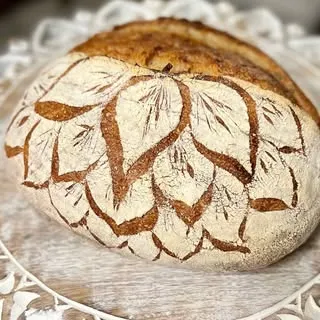
2 home bakeries and porch shops are already selling across the District. Browse their pages and learn from people two steps ahead of you — what they sell, how they price, how they talk about their bread. Cottage bakers are famously generous with what they’ve learned, and most are a DM away on Instagram.
This page is educational, not legal advice — we’re not lawyers, just neighbors who read Washington, D.C.’s official sources and wrote down what they say (every claim above links to its source). The District regulates cottage food through D.C. Official Code §§ 7-742.01–7-742.02 and DC Health’s Cottage Food Regulations (25-K DCMR) — it’s a district, not a state, and the path is a multi-step sequence (a Home Occupancy Permit, a food-protection-manager certificate, and a DC Health registration), not an automatic exemption. Two things to keep in mind: DC Health’s posted regulations date to 2017 and haven’t caught up to the 2020 and 2025 statute changes (where they disagree, the statute controls — that’s why we present wholesale as allowed and the $25k cap as gone), and D.C. split the old DCRA in 2022, so some official forms still name agencies that have changed; we point you to the current office where we can. The Home Occupancy Permit fee isn’t published — confirm it with the Department of Buildings rather than trusting third-party numbers, and the ~$85 figure covers only the two DC Health fees. Always double-check the details with your own city and state before you sell. When something here and the law disagree, the law wins; if you spot that happening, tell us and we’ll fix it.